Sustainability is today one of the inescapable pillars of modern civil construction. In response to a growing environmental awareness, legal requirements and the demand for more efficient and responsible buildings, sustainable construction has ceased to be an option and has become a requirement. Well Slick Brick, we integrate this approach in a transversal way, from planning to execution, with the aim of creating buildings that efficient, durable and in harmony with the surrounding environment.
A building is more about using ecological materials - it is a collection of the entire life cycle of the building, reducing the collection of natural resources, energy and water efficiency, reducing waste production and selecting solutions that are comfortable, health and improvement for users. Sustainability is therefore technical, strategic and deeply linked to the quality of construction.
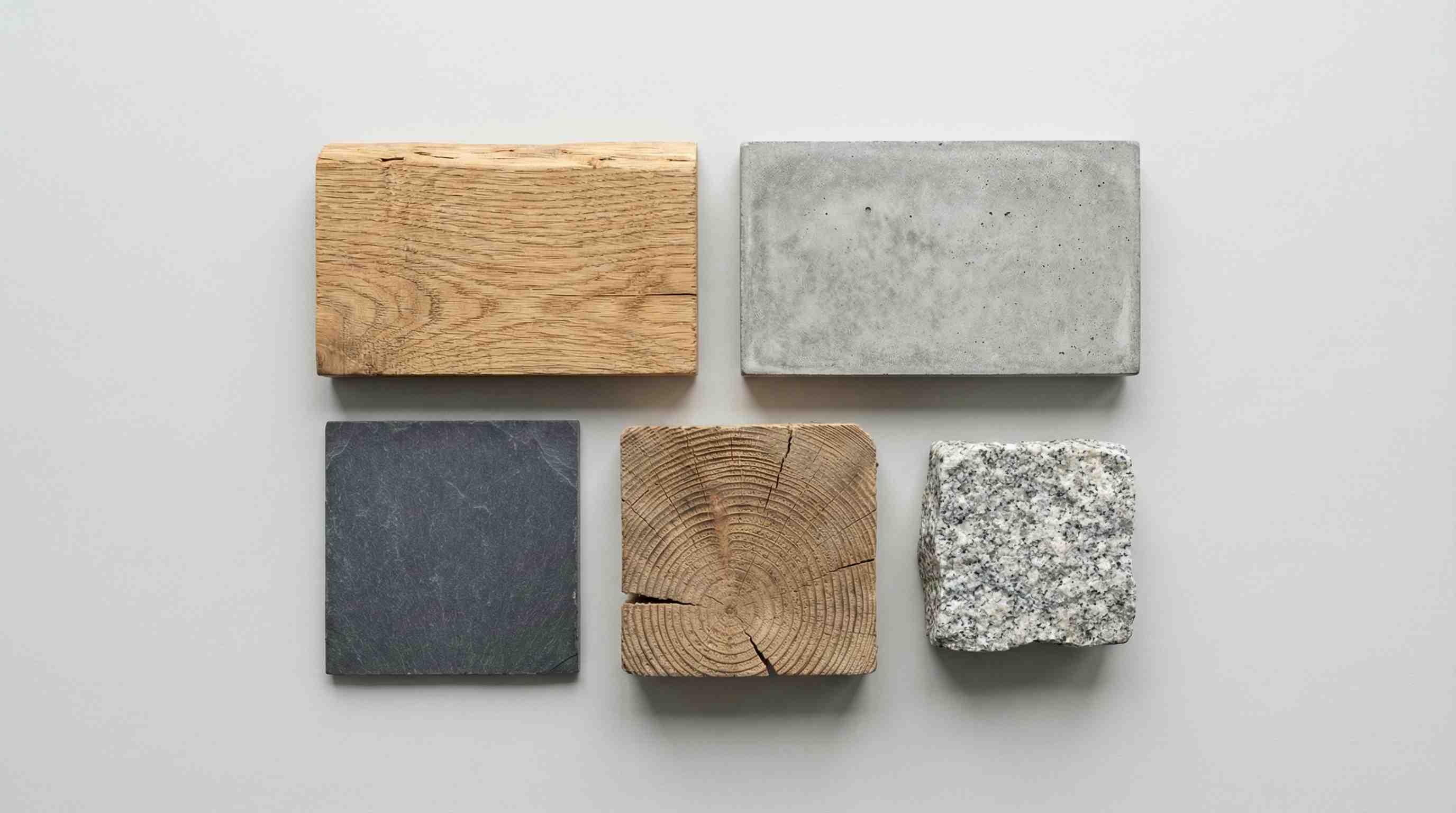
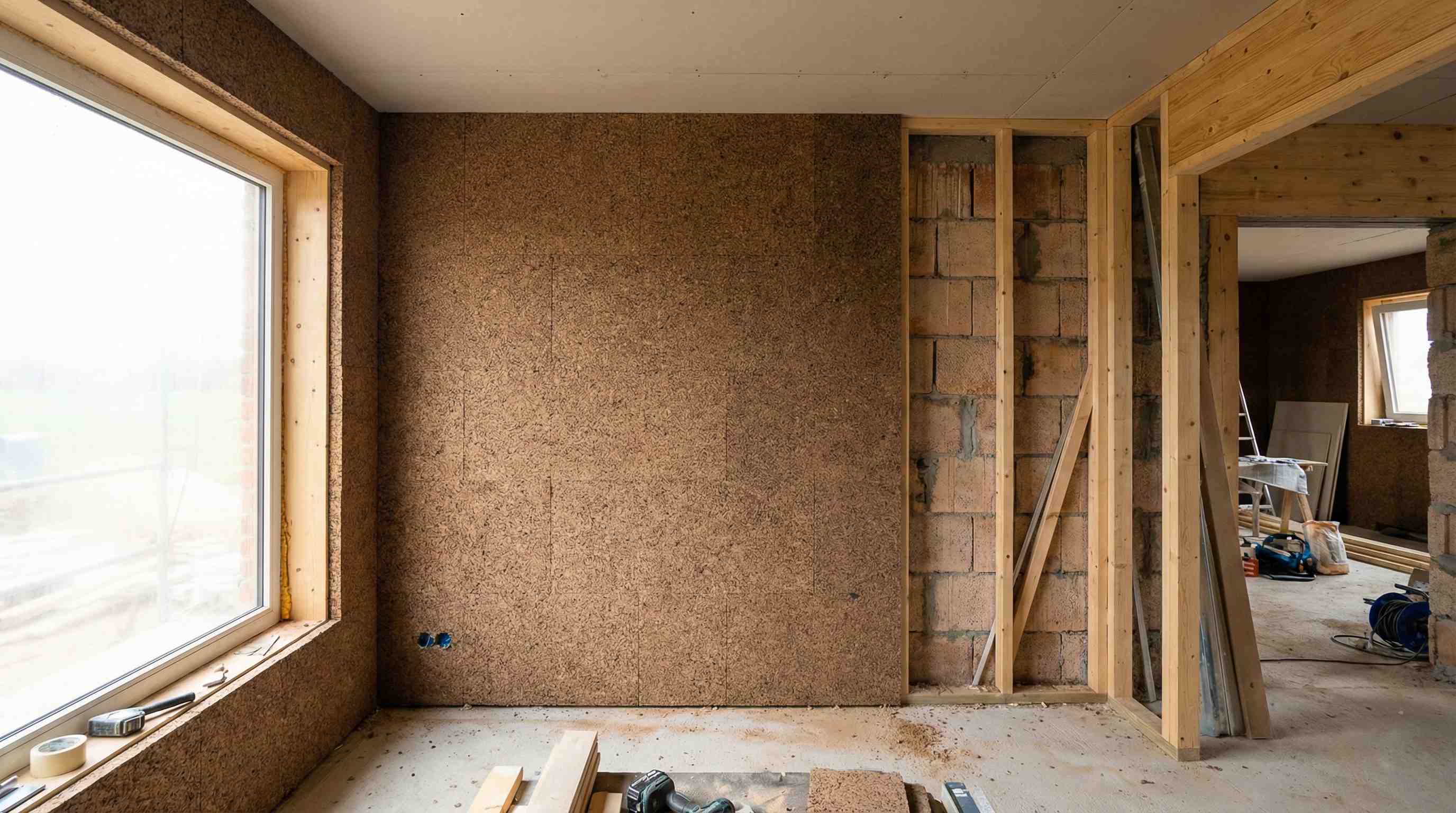
One of the main elements of a durable building careful selection of materials. Whenever possible, we privilege locally sourced materials, recyclable, com low environmental impact in its productionand high durability. These include, for example, the cork, a natural and renewable resource of Portuguese origin, with excellent thermal and acoustic insulation properties; certified wood, from sustainably managed forests; and Materiali ricicati, such as agglomerates, fibers and green insulation.
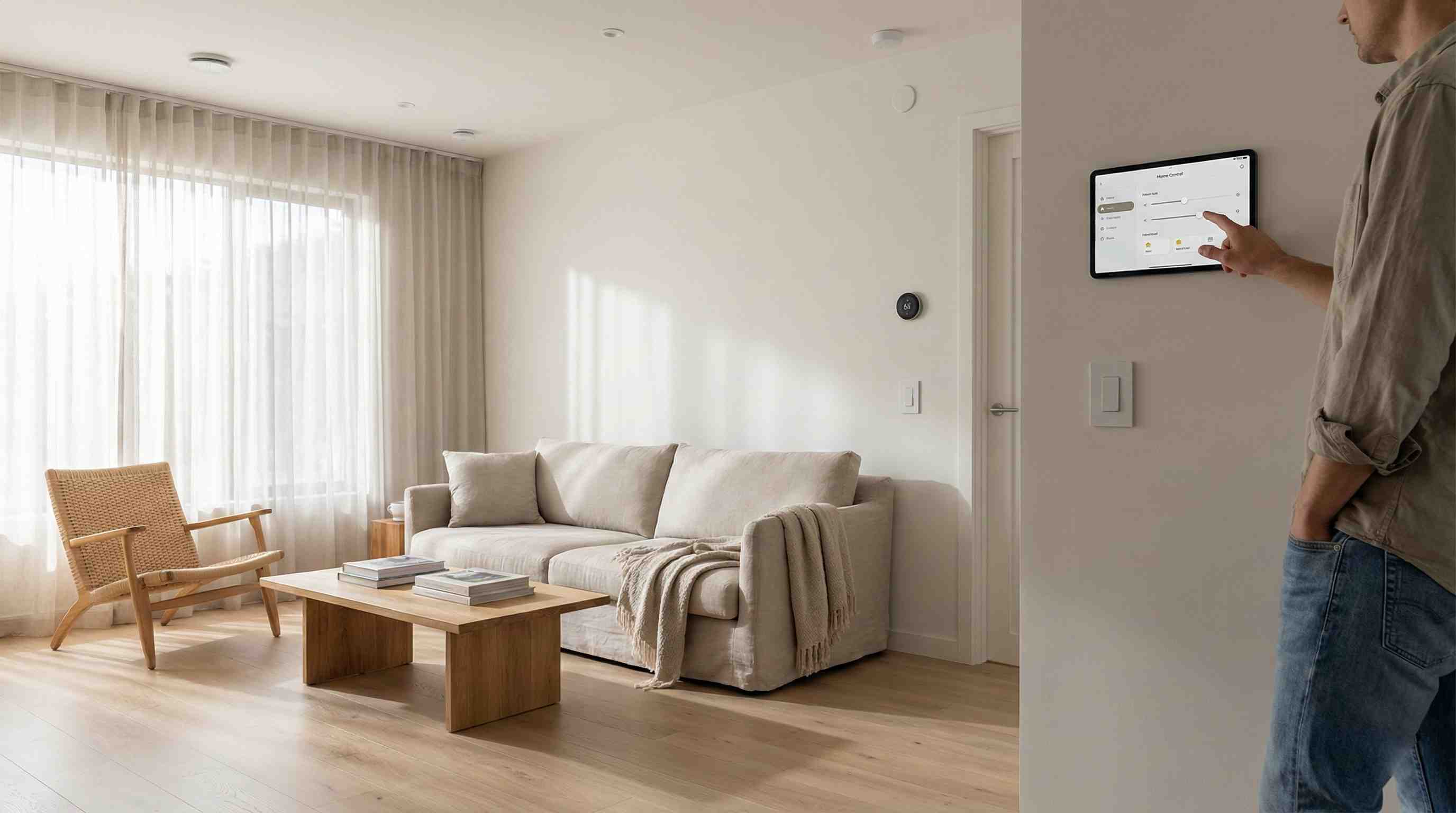
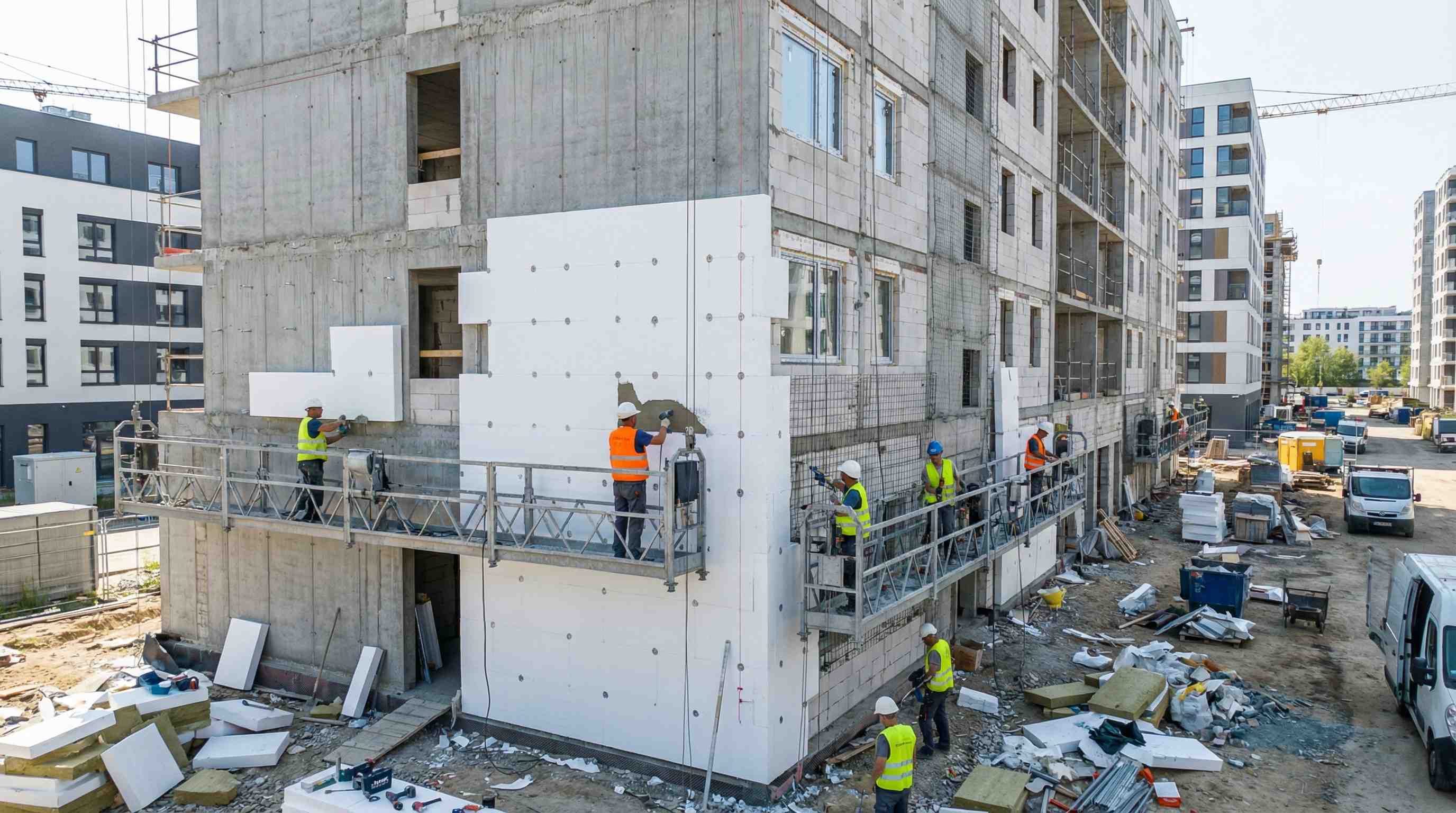
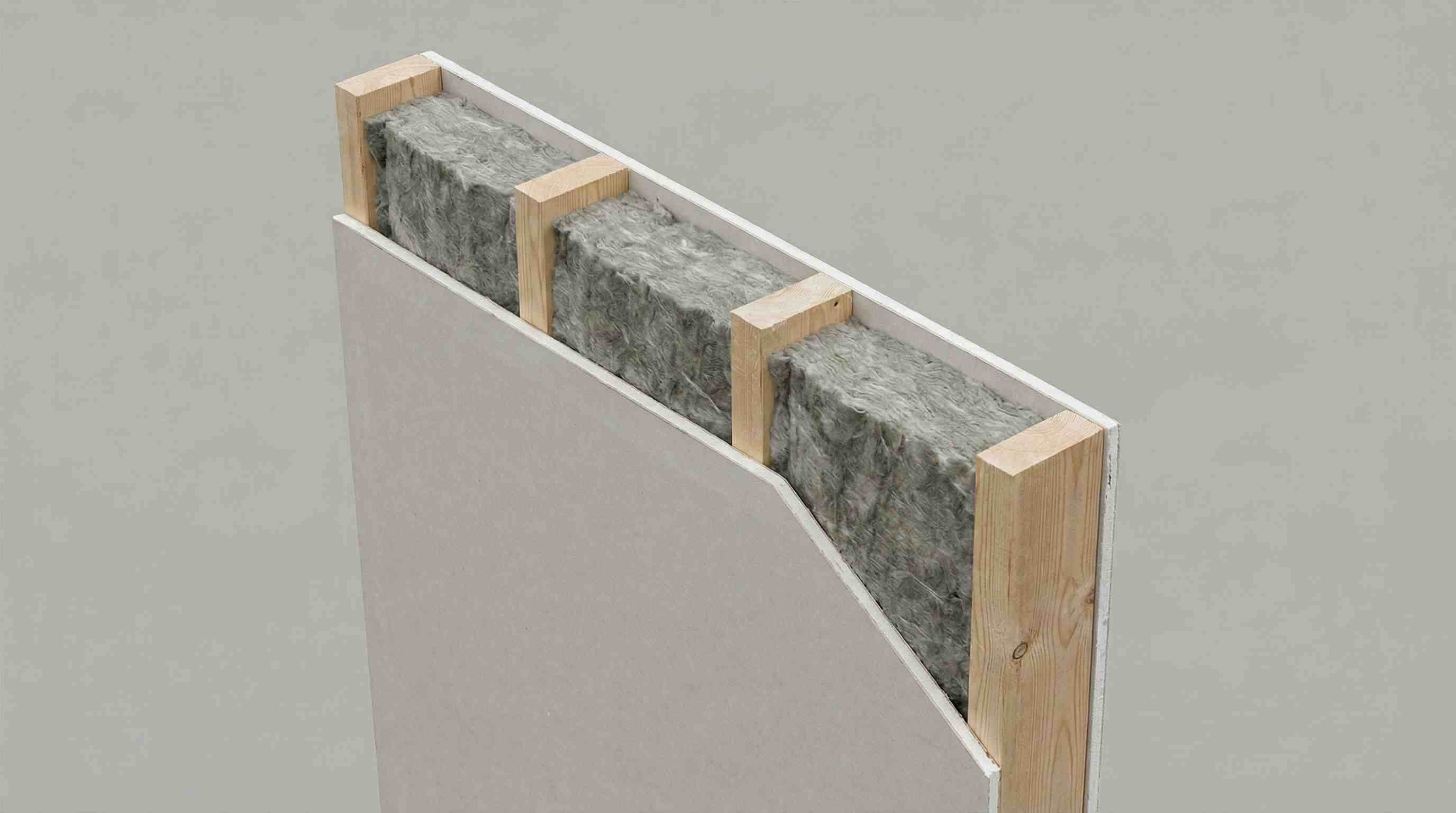
In addition to the choice of materials, we give priority to energy efficiency— a theme that naturally crosses sustainability. Utilizing advanced thermal insulation systems (such as Capoto, and rockwoole a expanded cork), or windows with high thermal performance, and a integration in new energy sources(such as solar thermal and photovoltaic panels) allows to significantly reduce the energy consumption of the building and improve its energy classification.
A water efficiencyis another fundamental pillar. In many projects, we apply solutions that reduce drinking water consumption, such as rainwater giant systems, low consumption taps and autoclimes, and gardens with native vegetation, more resistant to drought and with less watering needs. These measures not only protect natural resources, but also represent direct savings for users.
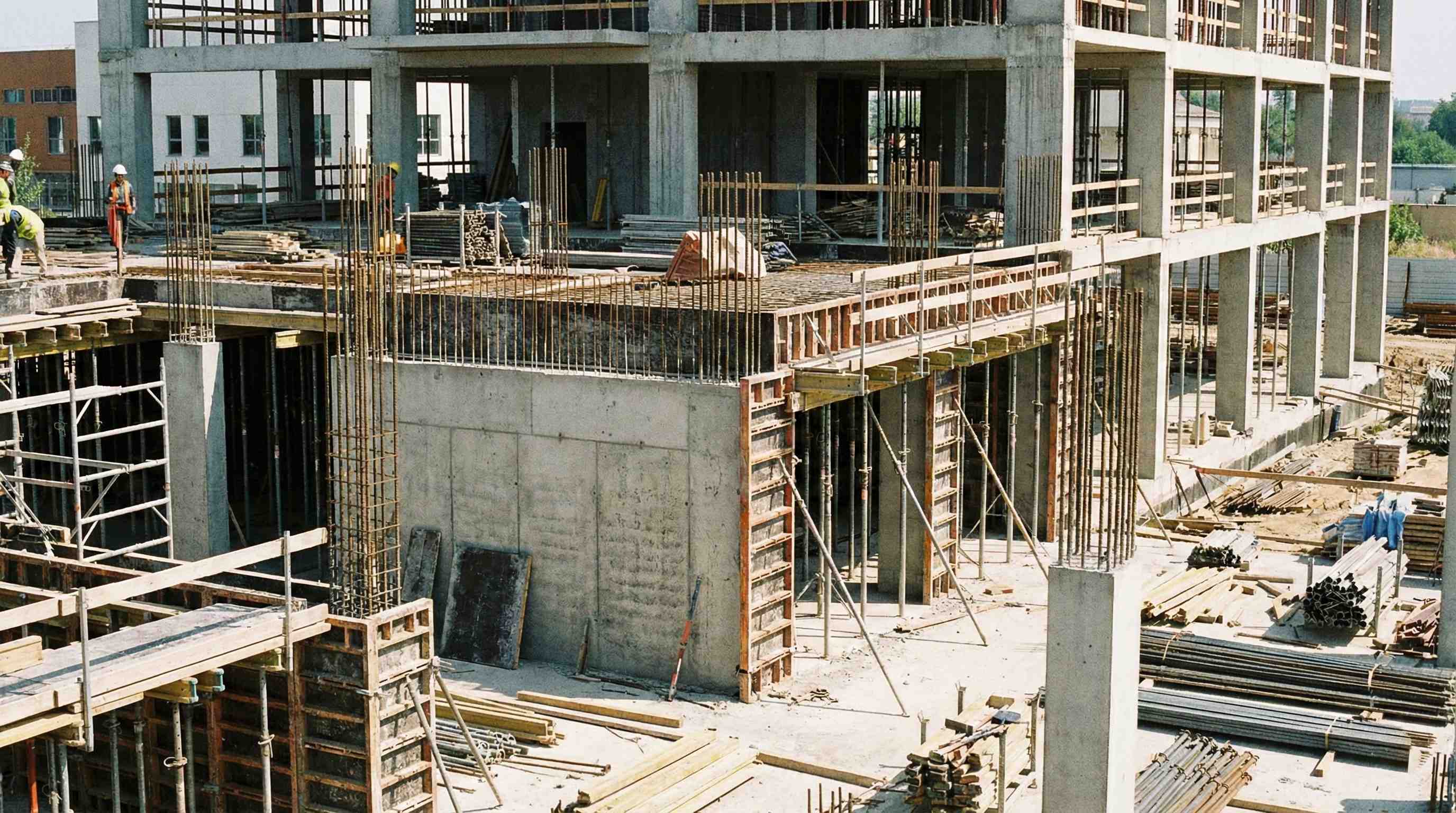
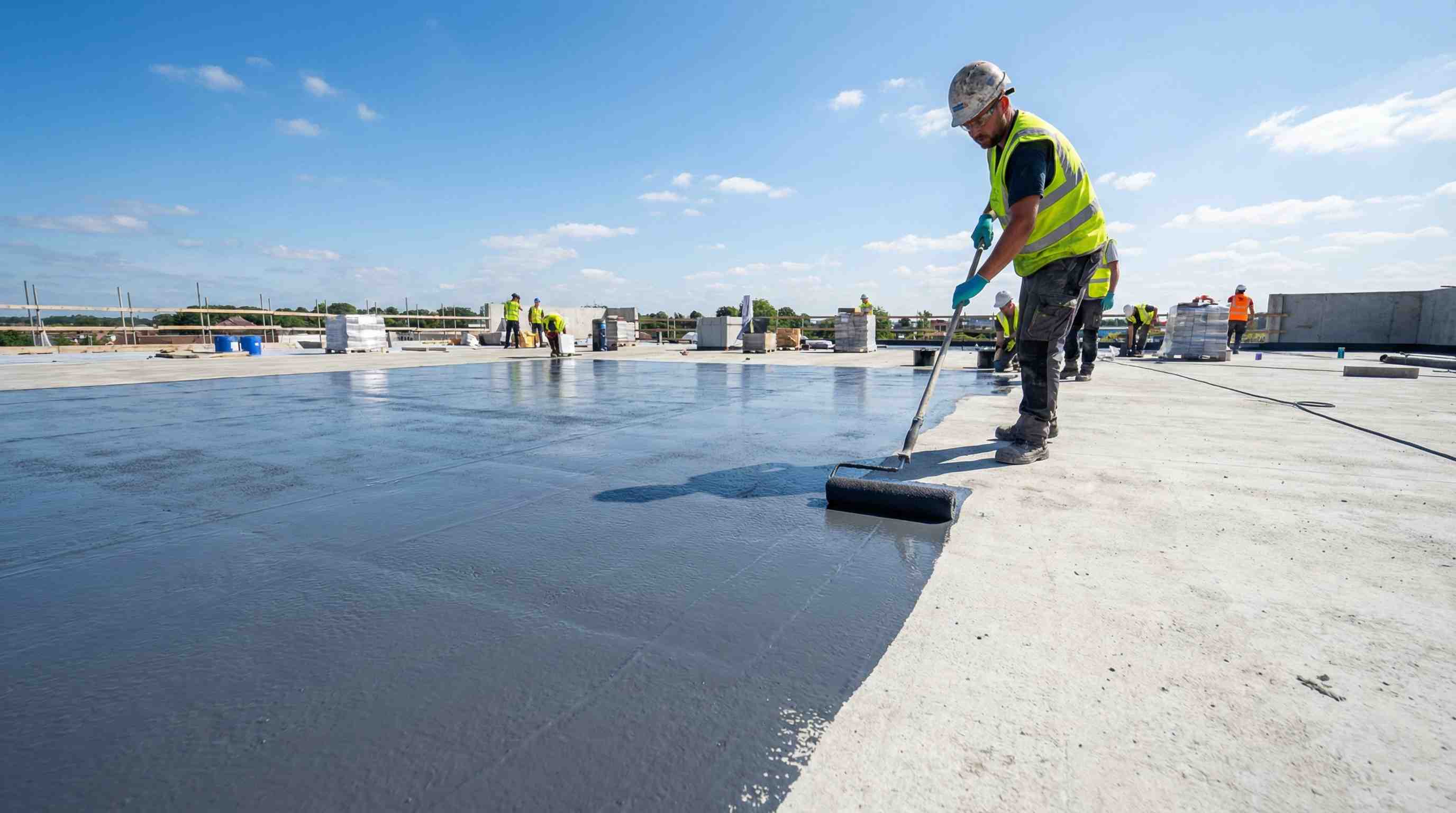
En Slick Brick, we understand that sustainable construction is also done with cleaner and more efficient processes. We reduce waste on site through Rigorous planning, conscious use of materialse giants or surpluses, promoting responsible waste management. This approach is supported by technical teams with continuous training, which ensures the rigorous implementation of best constructive practices.
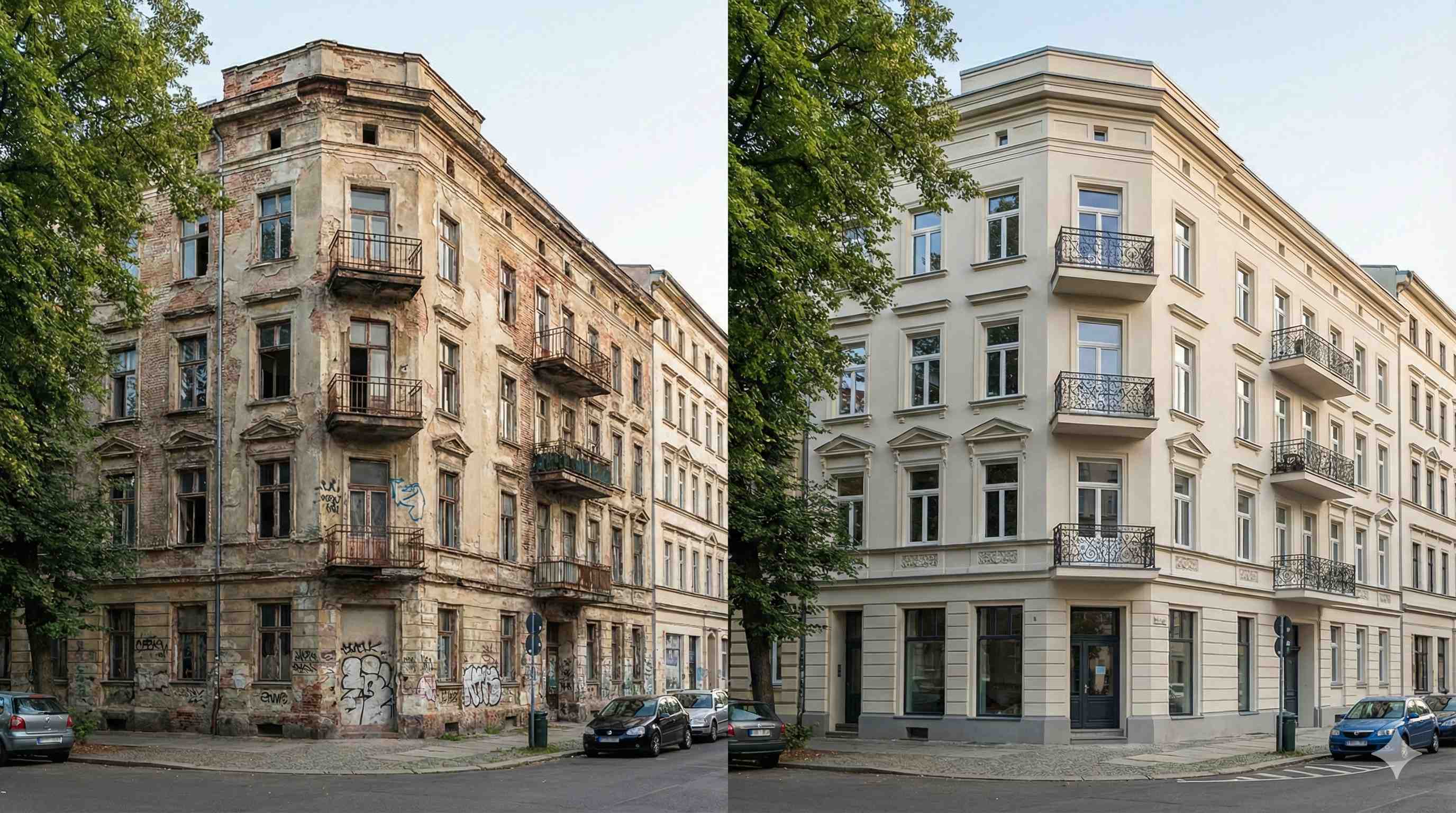
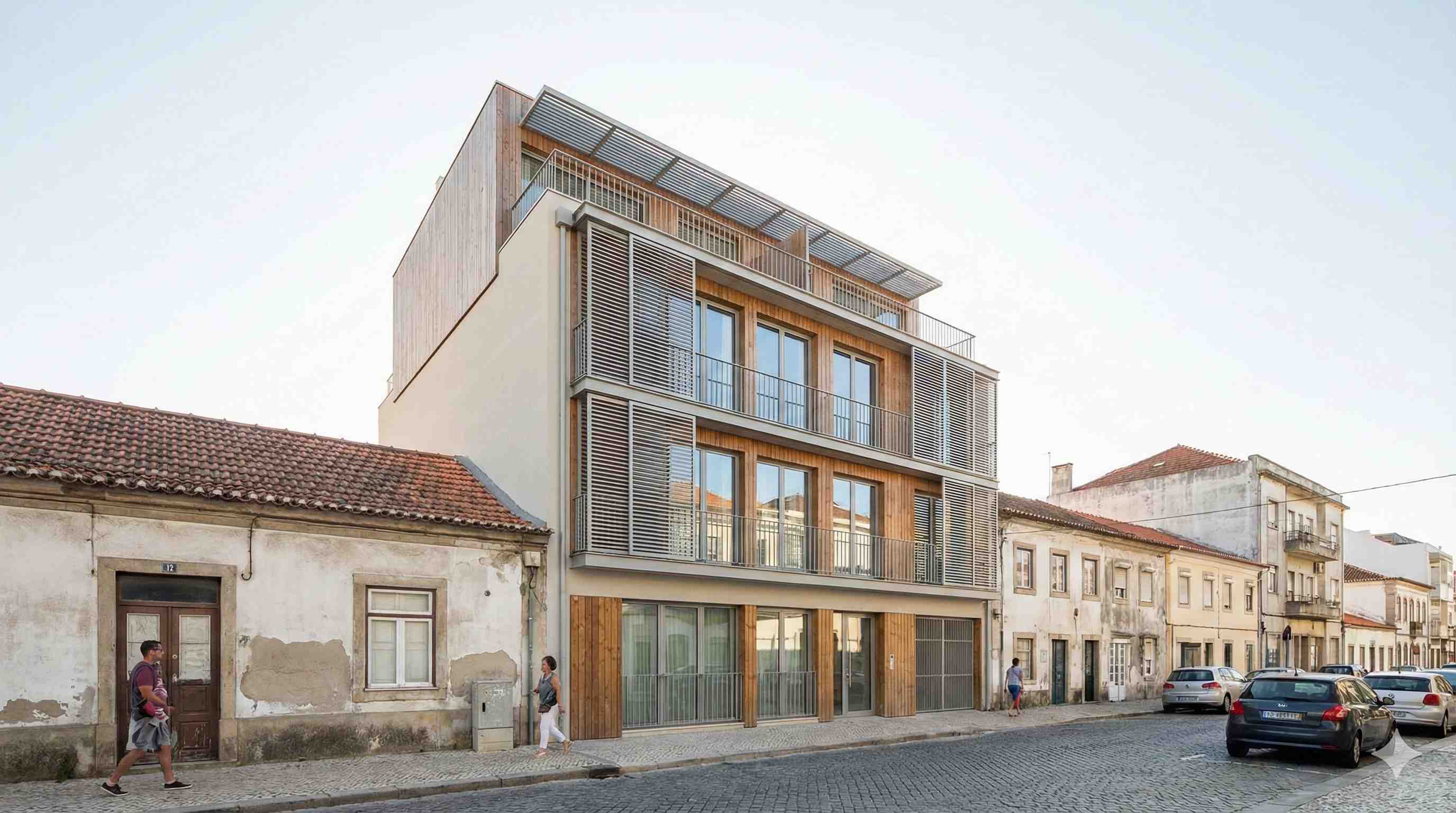
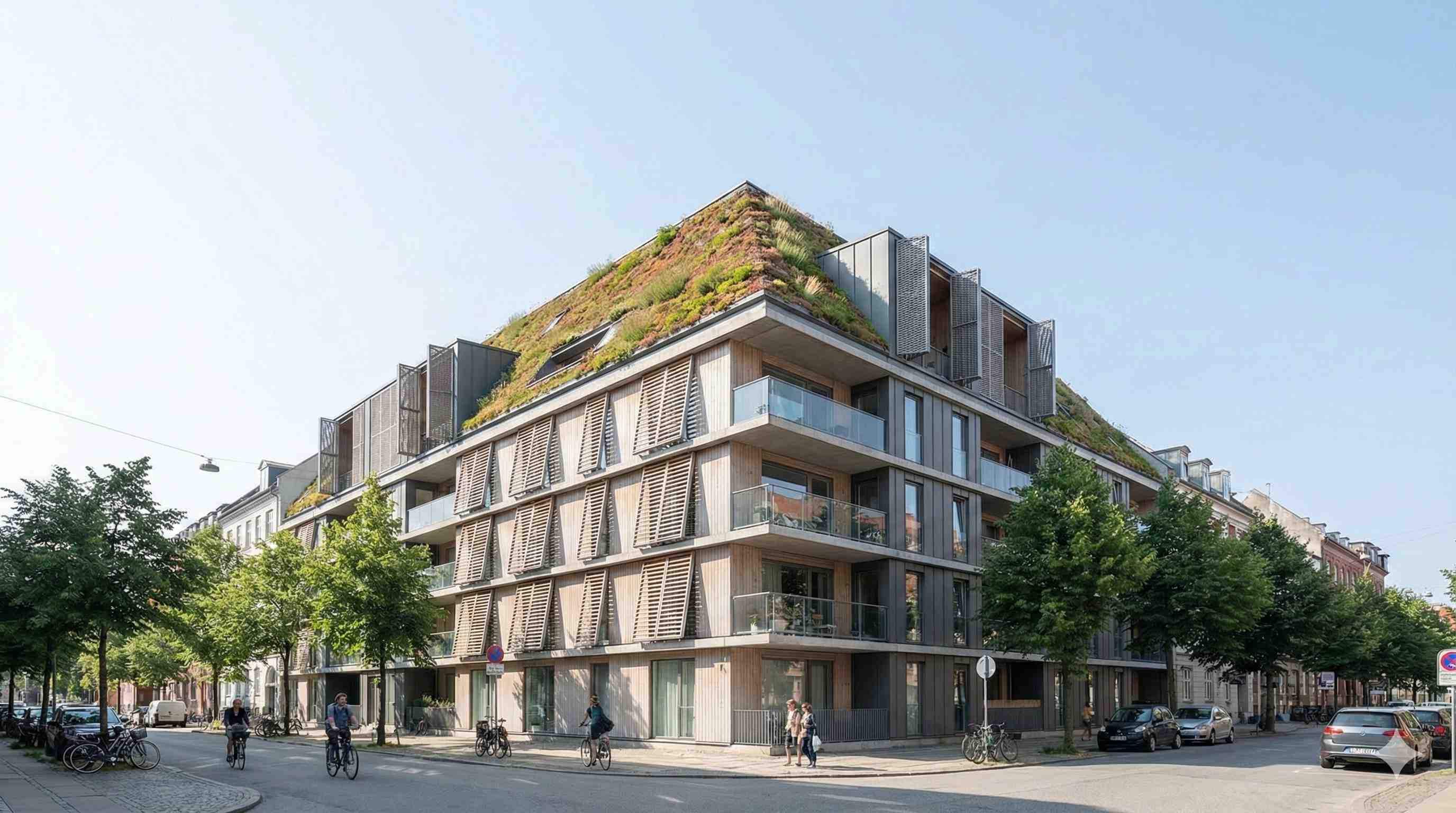
An increasingly valued aspect is the social and urban sustainability. Our projects in Leiria and other urban areas are consolidated in existing neighbourhoods and structures, respecting the local architectural identity and promoting a balanced relationship between the new and the pre-existing. A sustainable architecture is not only linked to resource efficiency, but also to the creation of healthy, inclusive, accessible spaces and well integrated into the urban fabric.
In addition to the environmental benefits, sustainable construction has real economic impacts:
- The Improvements real estate valuation;
- Reduz operating costsenergy and water;
- Facilitates access to Incentives and public programs for rehabilitation and energy efficiency;
- Contribute to the fulfillment of legal and regulatory requirements, increasingly demanding.
Bets on sustainability is not an additional cost, but a smart investment, with a guaranteed return over the life of the building. This positioning reinforces Slick Brick's commitment to deliver projects with high technical, aesthetic and environmental value, aligned with the challenges of the present and the demands of the future.
In practice, sustainability translates into conscious decisions, based on technique, rigor and respect for context. Applying these solutions to each project, we build more than buildings — we create spaces that respect the environment, welcome people and stand the test of time.
1. What is sustainable construction?
Et est un modèle de construction qui à minimise l'impact environnement, avec les materials gécologiques, a redução de energia e de agua, a promoção a durance e efficiência do edifices.
2. What sustainable materials are used in construction?
Cork, certified wood, rock wool, recycled materials, natural mortars and ecological insulation are some of the most common.
3. Is sustainable construction more expensive?
Not necessarily. Albeit some materials have a higher initial cost, the return compensates through energy savings, less maintenance and valuation of the property.
4. Can I make an already built house more sustainable?
Yes. It is possible to improve energy efficiency, replace materials with ecological versions, install solar panels, or apply water giant solutions.
5. Does sustainability influence energy certification?
Yes. Sustainable solutions contribute to better energy ratings, which improve the property and reduce monthly consumption.
6. Are there public incentives for sustainable construction?
Yes. There are support programmes for energy rehabilitation and the installation of efficient systems, promoted by the State and by European funds.