Civil construction is undergoing a profound transformation, marked by technological advances, new environmental requirements and the growing need for more efficient, intelligent and sustainable solutions. At Slick Brick, we follow this evolution with critical attention and implementation capacity, integrating innovation in a strategic way and adjusted to the Portuguese reality - especially in contexts such as Leiria, where constructive quality and differentiation are increasingly valued.
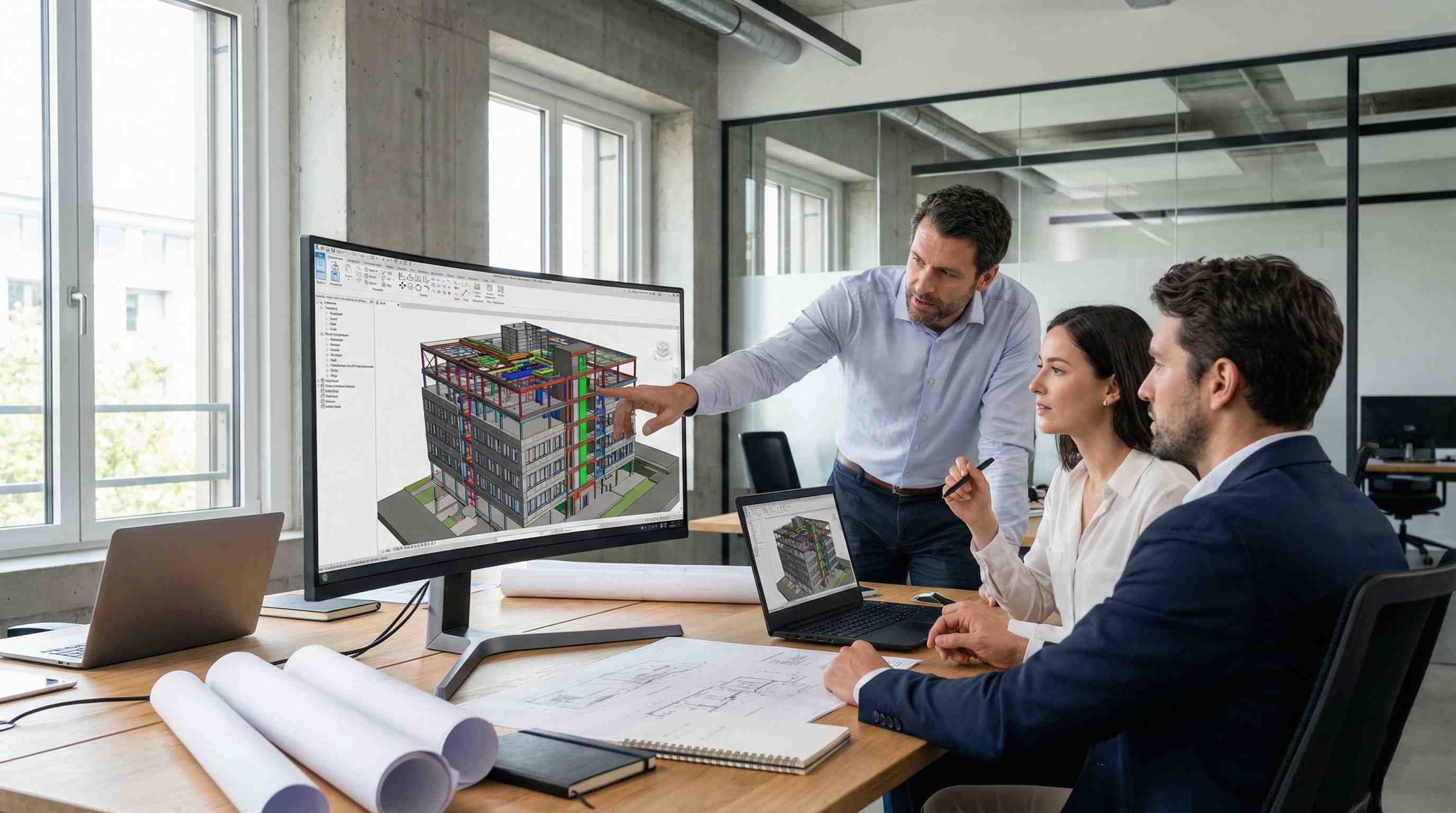
Amongst the main trends of contemporary constructionthe growing digitization of the sector stands out. Or use of digital modeling (BIM — Building Information Modeling)to the form of a work is designated, coordinated and executed. This technology allows the creation of integrated 3D models, with detailed technical information on each element of the construction - structure, facilities, materials, finishes and costs - will facilitate the initial detection of incompatibilities, the control of work and the management of future maintenance.
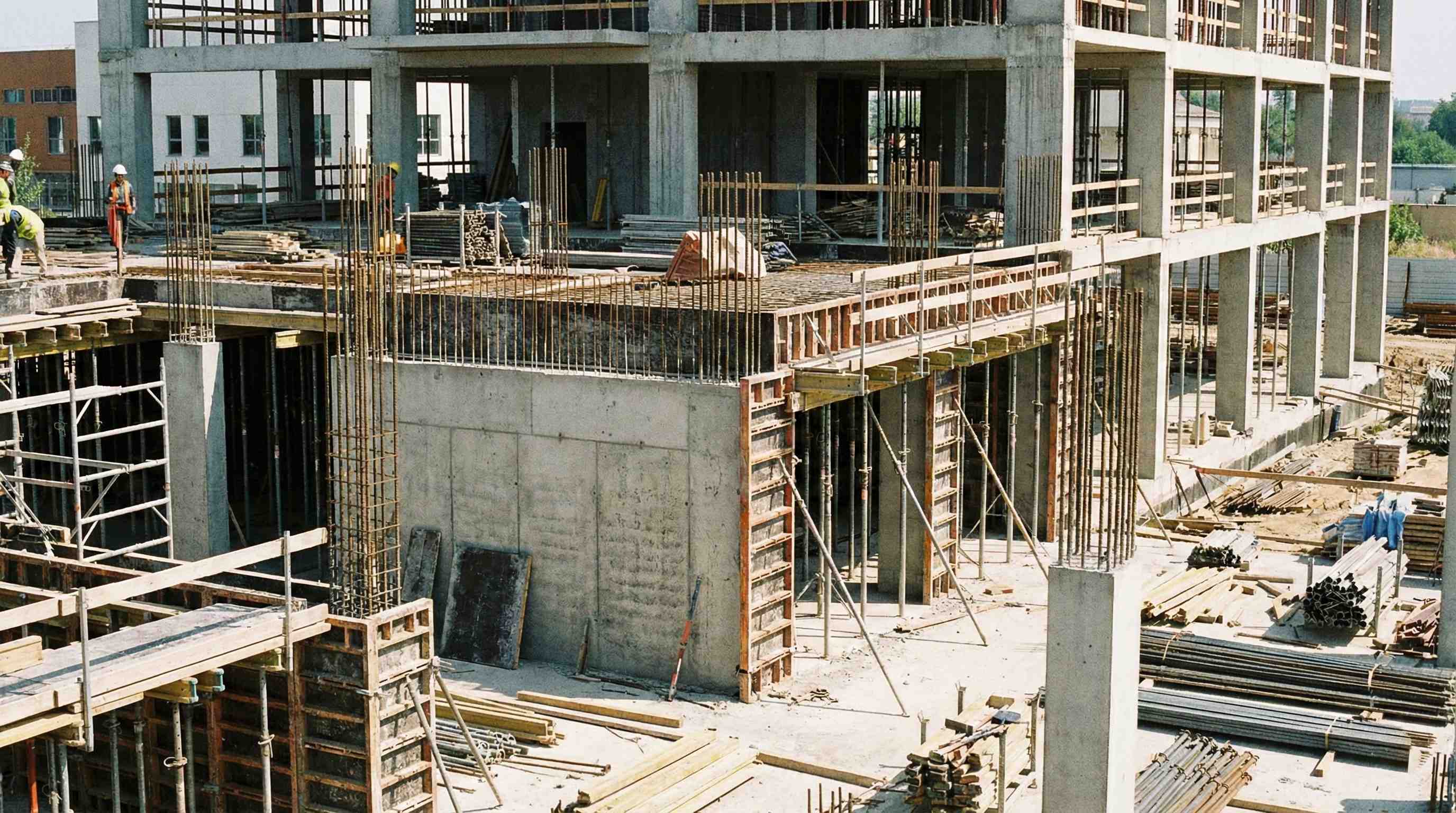
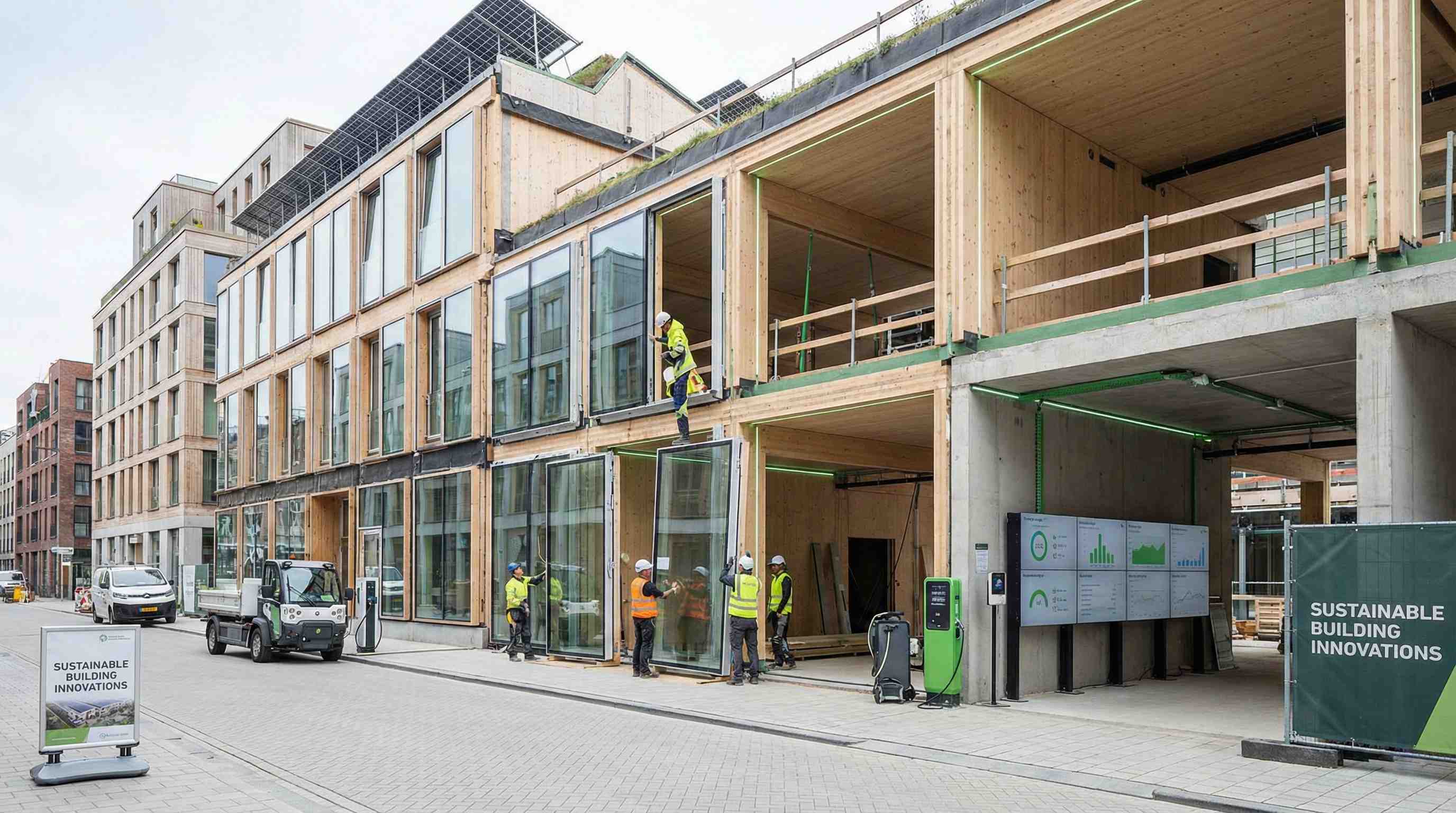
Another impact trend is modular and prefabricated construction, which makes it possible to speed up execution times, reduce waste on site and guarantee a higher quality of production. Elements such as building panels, modular cells, composite panels and technical components are manufactured in a controlled environment and are built with geometric accuracy on the site. This methodology is ideal for urban contexts, rapid rehabilitation and projects with tight deadlines.
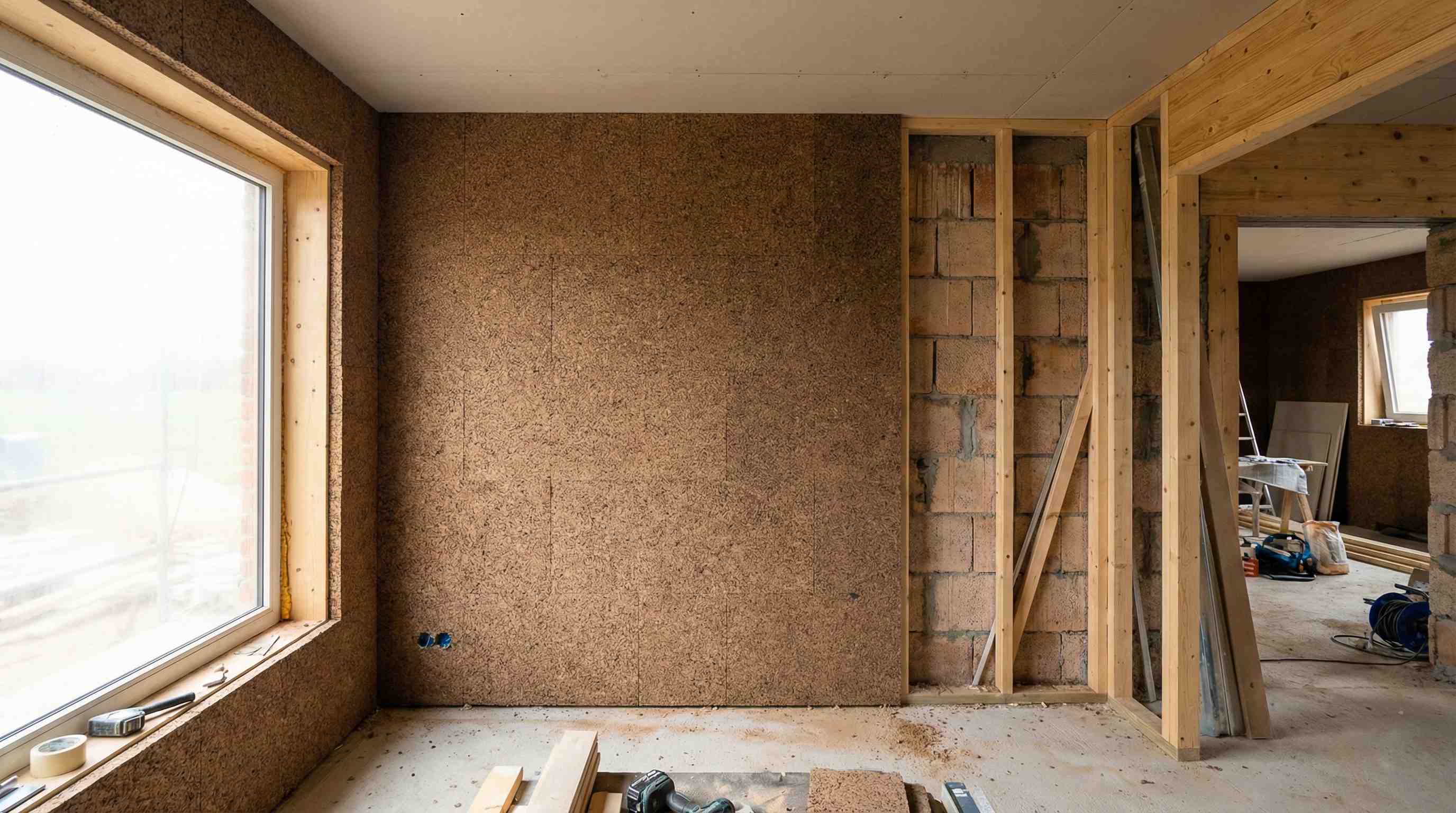
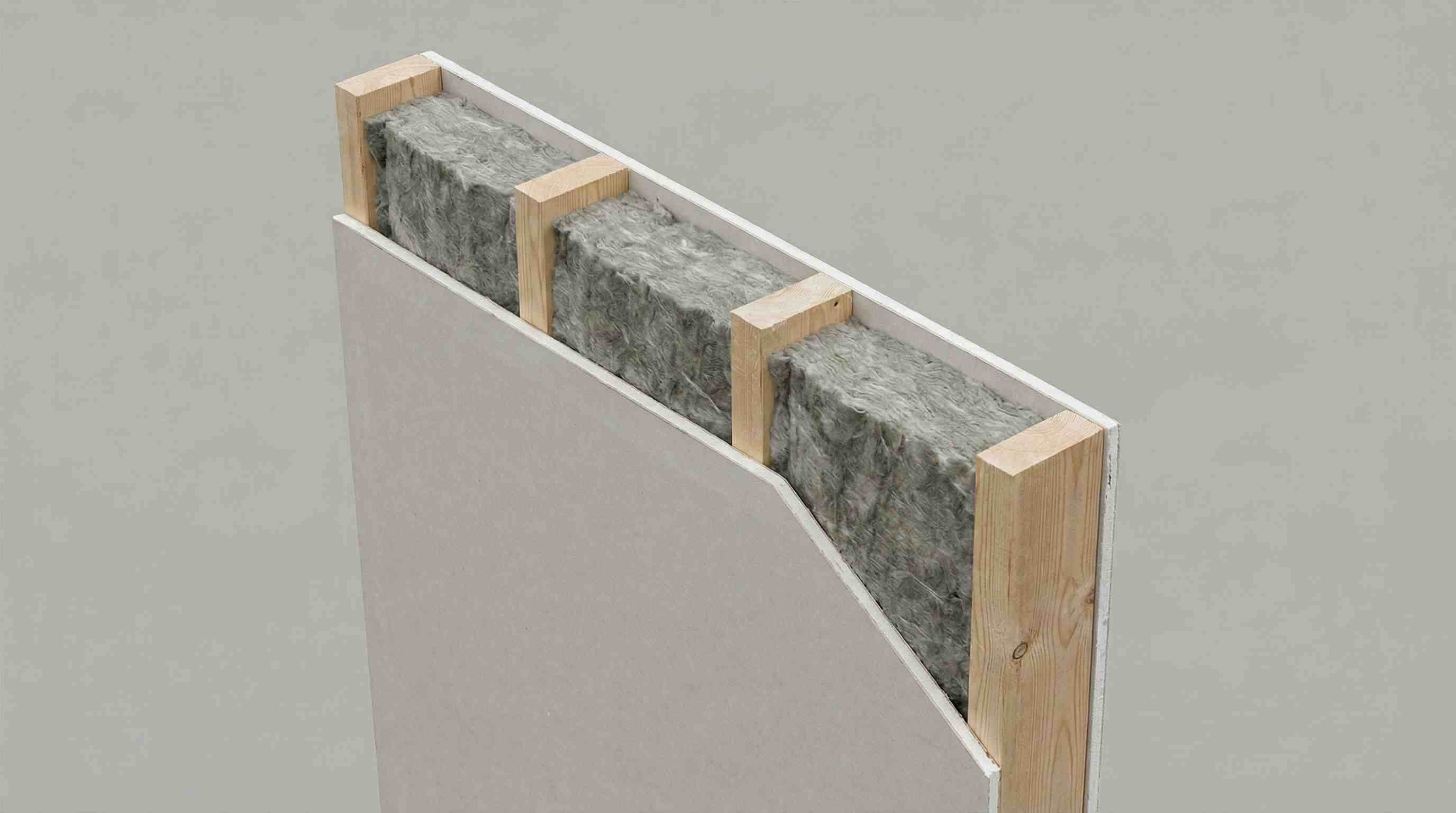
A Sustainability, on the other hand, has ceased to be a differential and has become a requirement. New materials with low environmental impact, Recyclable insulations, Passive sharing systems, collection and giant of water, and a integration of renewable energyare the central elements in an advanced technical construction. To innovation in the way these materials are applied — in multilayer systems, with controlled ventilation, efficient structure and digital control.
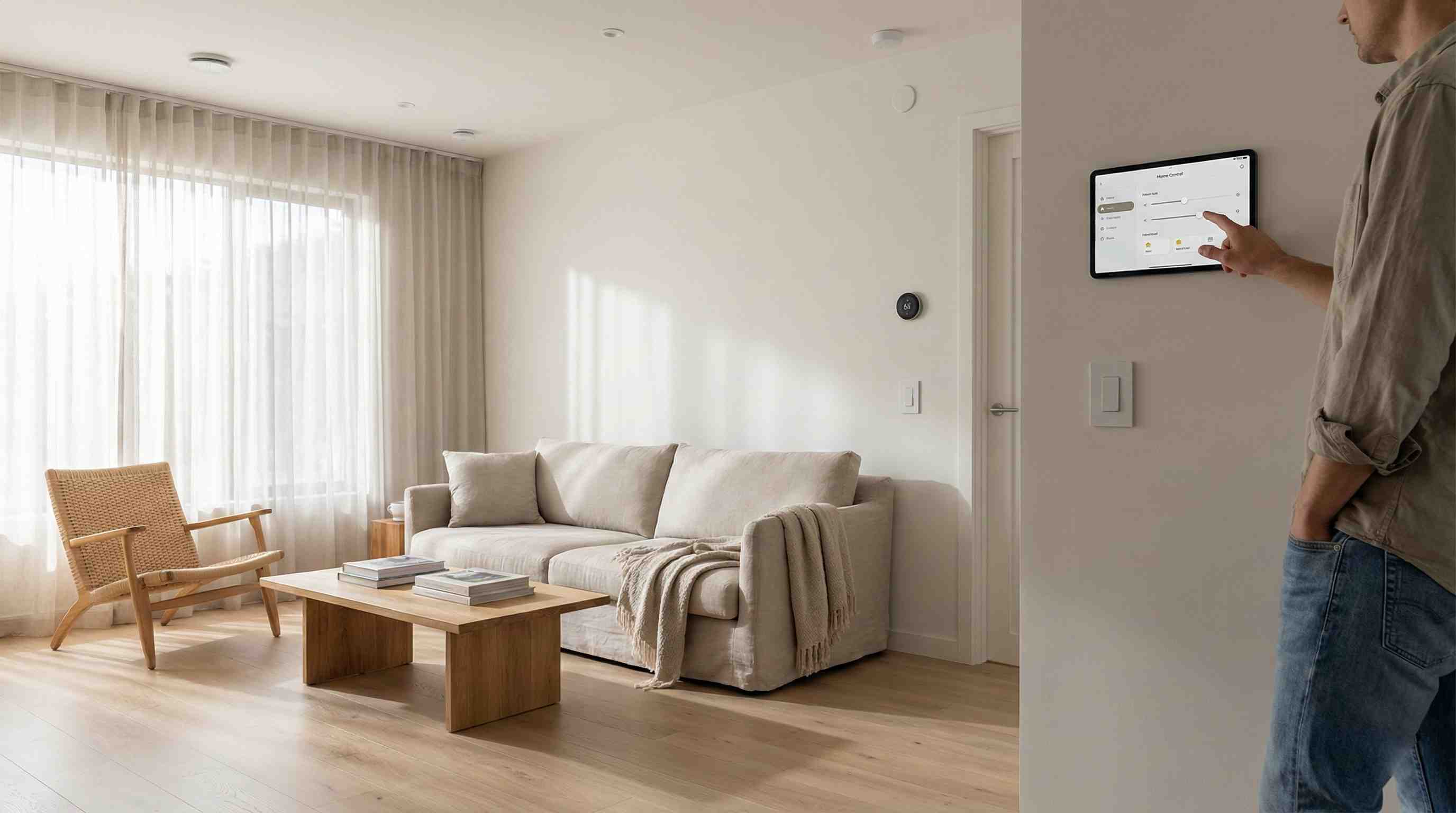
The introduction of Smart technologiesin buildings is another aspect in rapid expansion. A home automation— already addressed in detail in another article — evolves to more autonomous, integrated and responsive systems. Thermal sensors, adaptive lighting control, electrical load management, remote consumption monitoring and voice assistants are now integral parts of buildings prepared for the future. This technology improves comfort, efficiency and safety, contributing to smart and adaptable buildings.
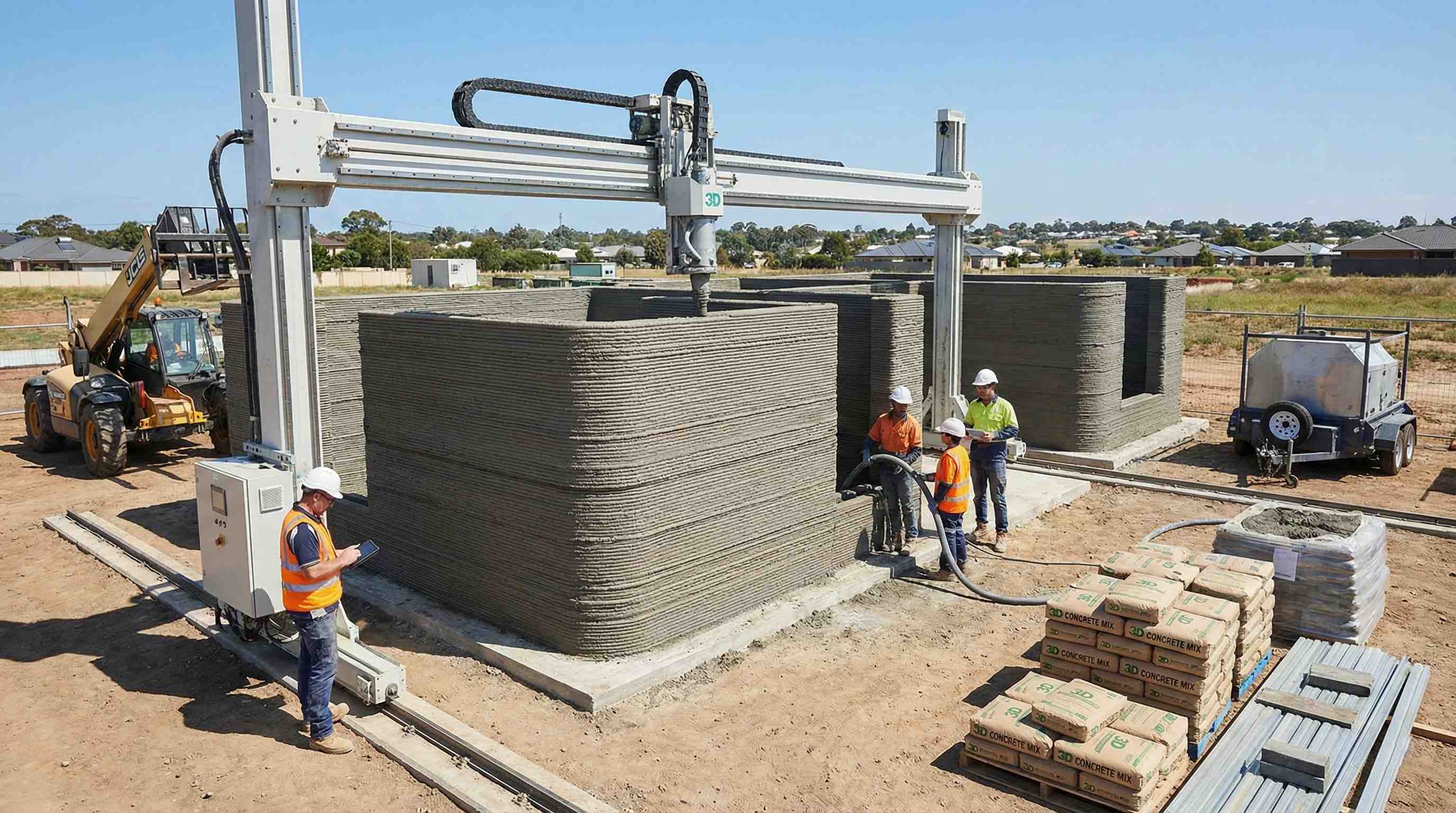
One of the innovations with the greatest potential for destruction 3D printing applied to construction. Albeit still incipient in Portugal, there are already international experiments that prove the feasibility of printing structures in concrete or other compounds, with reduced execution times, less labor and almost unlimited formal freedom. Slick Brick follows this trend carefully, seeking to progressively adapt methodologies that have technical maturity and applicability in the real context of work.
In the field of materials, they also arise new technical solutionswith superior performance — such as self-repairing concretes, photocatalytic coatings (which purify the air), glazing with automatic thermal regulation, ecological paints with CO₂ absorption, among others. These materials represent a fusion between scientific innovation, functionality and environmental commitment.
Innovation is also manifested in work management and control processes. Or use of Real-time planning software, structural monitoring sensors, drones for aerial inspections, augmented reality for visualization of interventions and QR codes for material trackingare increasingly common in demanding and technically oriented works.
For Slick Brick, innovating is not following fashions or applying technology for technology. IS ALSO select, test and implement solutions that give real value to the project, the client and the territory. Each innovation is analyzed for the technical, operational, aesthetic and miljø impact. Our vision is clear: to innovate with criteria and integrity, to build better.
Créer la futuro richiede più di nuovi strumenti — il richiede a critical mindset, up-to-date technical knowledge and willingness to do something different with purpose. This is what we apply, every day, in our projects.
1. What is BIM and how does it impact construction?
BIM (Building Information Modeling) is a project methodology that creates integrated 3D digital models, allowing coordination between all specialties and greater technical control.
2. Is modular construction faster?
Yes. Components work in a controlled environment and location, reducing lifetime, wear and interference.
3. How is innovation applied in traditional construction?
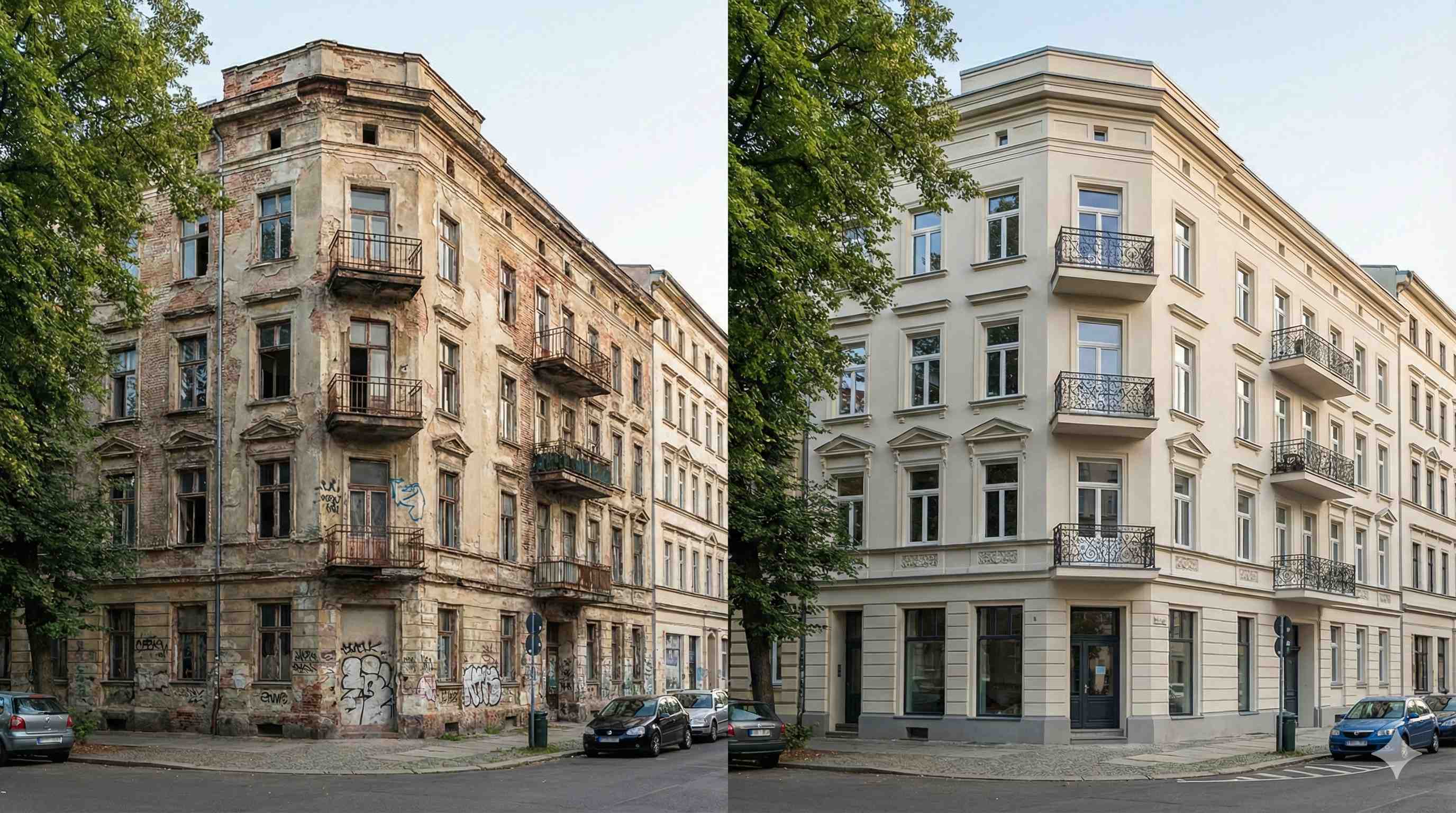
Through the integration of advanced materials, intelligent systems, digital tools and more rigorous control processes, without compromising the architectural language.
4. Is it possible to use home automation in old buildings?
Yes. With wireless solutions and compatible devices, it is possible to modernize existing buildings with smart technology.
5. Will 3D printing replace traditional methods?
Not yet, but it is a promising technology for low-down construction, rapid prototypes and solutions in remote areas.
6. Does innovation increase construction costs?
Depends. Some solutions have a higher initial investment, but generate savings in the medium term and improve the overall performance of the building.