In a truly well-built building, comfort is not only measured by temperature, brightness or aesthetics. O acoustic comfort— the ability of a space to resist the transmission of noise and provide a balanced sound environment — is one of the most determining factors for quality of life inside a dwelling, office or commercial space. At Slick Brick, we integrate acoustic control solutions from the design stage adjusted to the type of use of the building and the regulatory and functional requirements of each space.
A acoustics in civil constructionis divided into two major areas:
- Acoustic insulation— reduction of sound transmission between spaces (such as between apartments, divisions or floors);
- Internal acoustic comfort— control of reverberation and echo inside a space (essential in open areas, meeting rooms, auditoriums or commercial areas).
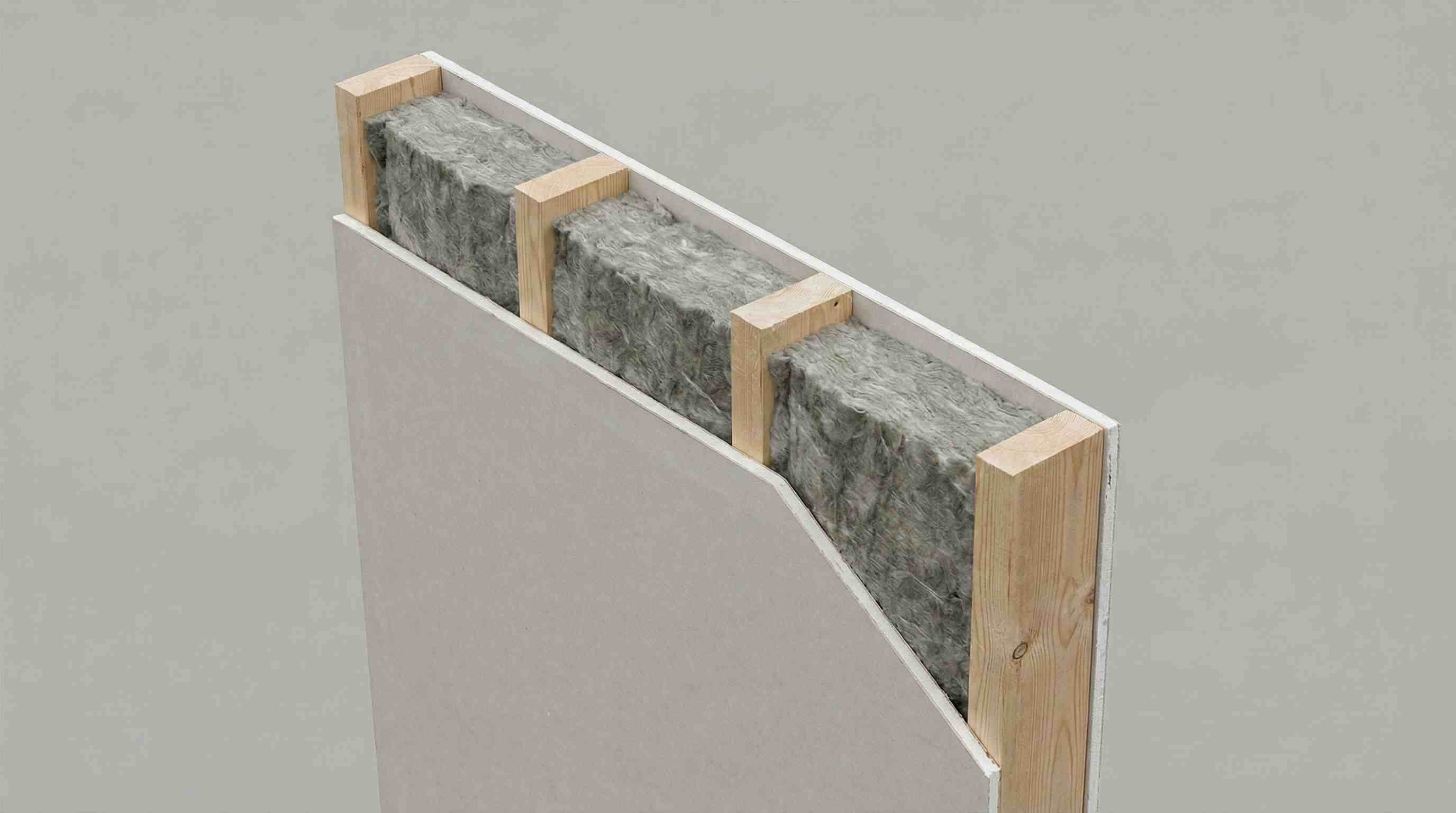
With regard to insulation, the main types of noise to combat are airborne noise(voice, music, television) and the percussion noise(steps, impacts, furniture drag). Slick Brick applies specific construction solutions for both cases, such as double walls with mineral wool, acoustic panels, decoupled slabs with resilient blankets, sound-absorbing suspended linings and shock-absorbing coatings. The choice of each solution depends on the acoustic objective, the type of construction (new or rehabilitation) and the level of customer demand.
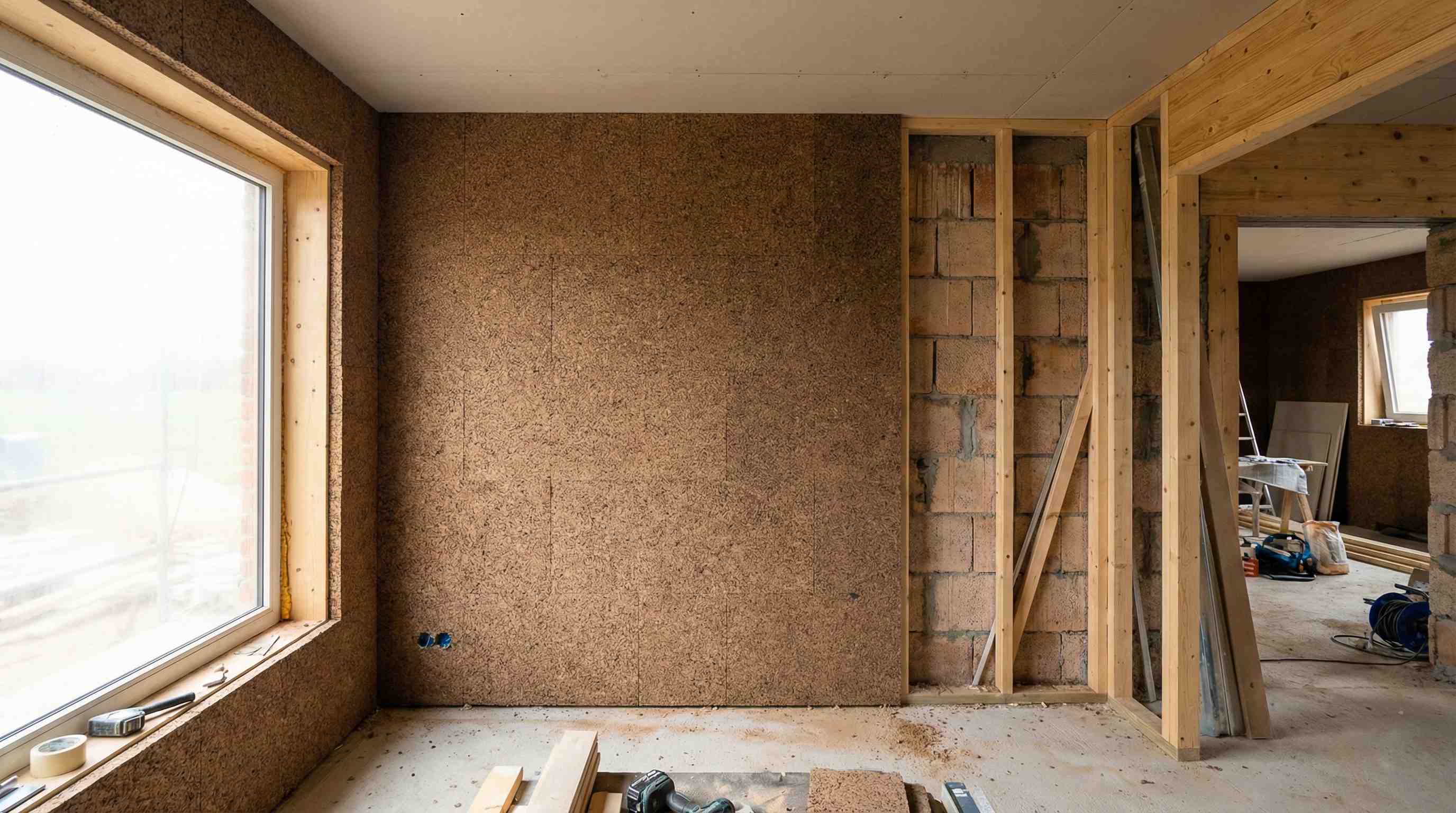
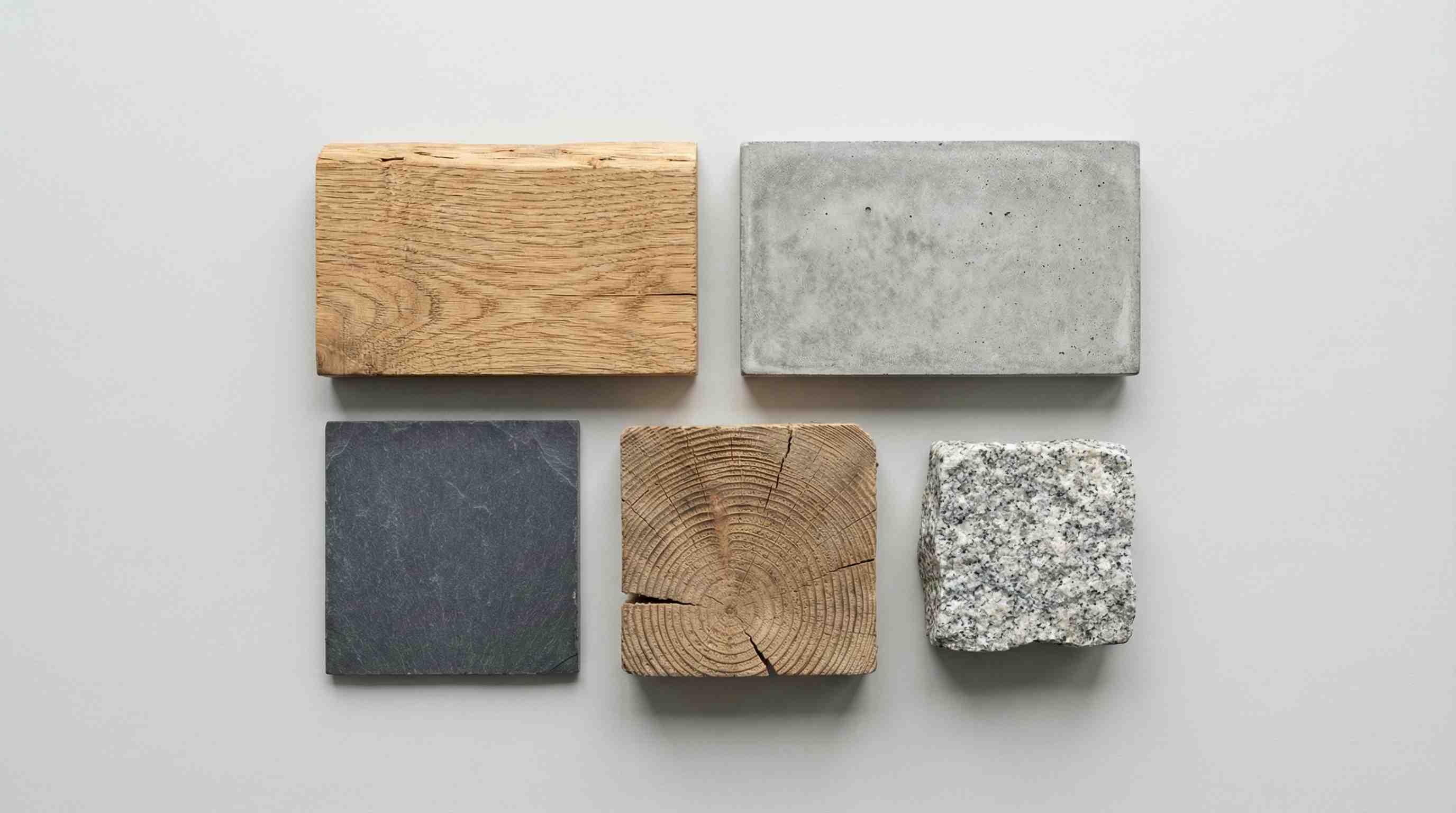
Bones sound-absorbing materialsare essential for controlling sound reverberation within spaces. In offices, schools, restaurants or open-concept housing, the use of acoustic panels in rock wool, technical foam, perforated wood or expanded corkallows to significantly improve speech intelligibility, concentration and general well-being. Its integration is done in an architectonically discreet way or as a decorative element, depending on the style of the project.
Another fundamental aspect is the design of the building envelope. Or use of frames with double or triple glazing, systems with thermal and acoustic rupture, and technical seals in voids and jointsguarantees an efficient envelope not only thermally but also acoustically. The tightness of windows, technical doors and peripheral insulation contributes to an effective sound barrier, especially in urban areas, busy streets or the proximity of expressways.
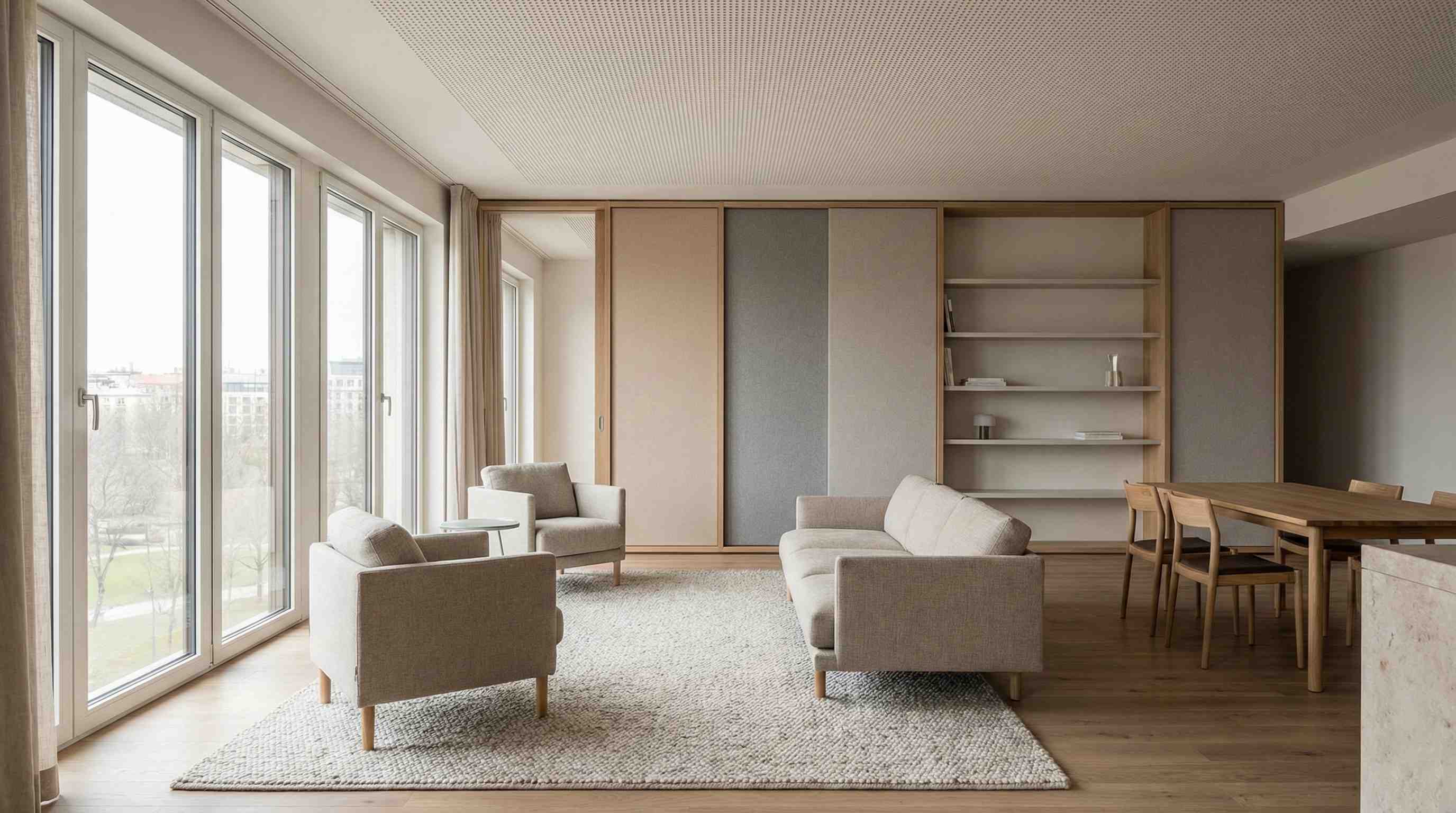
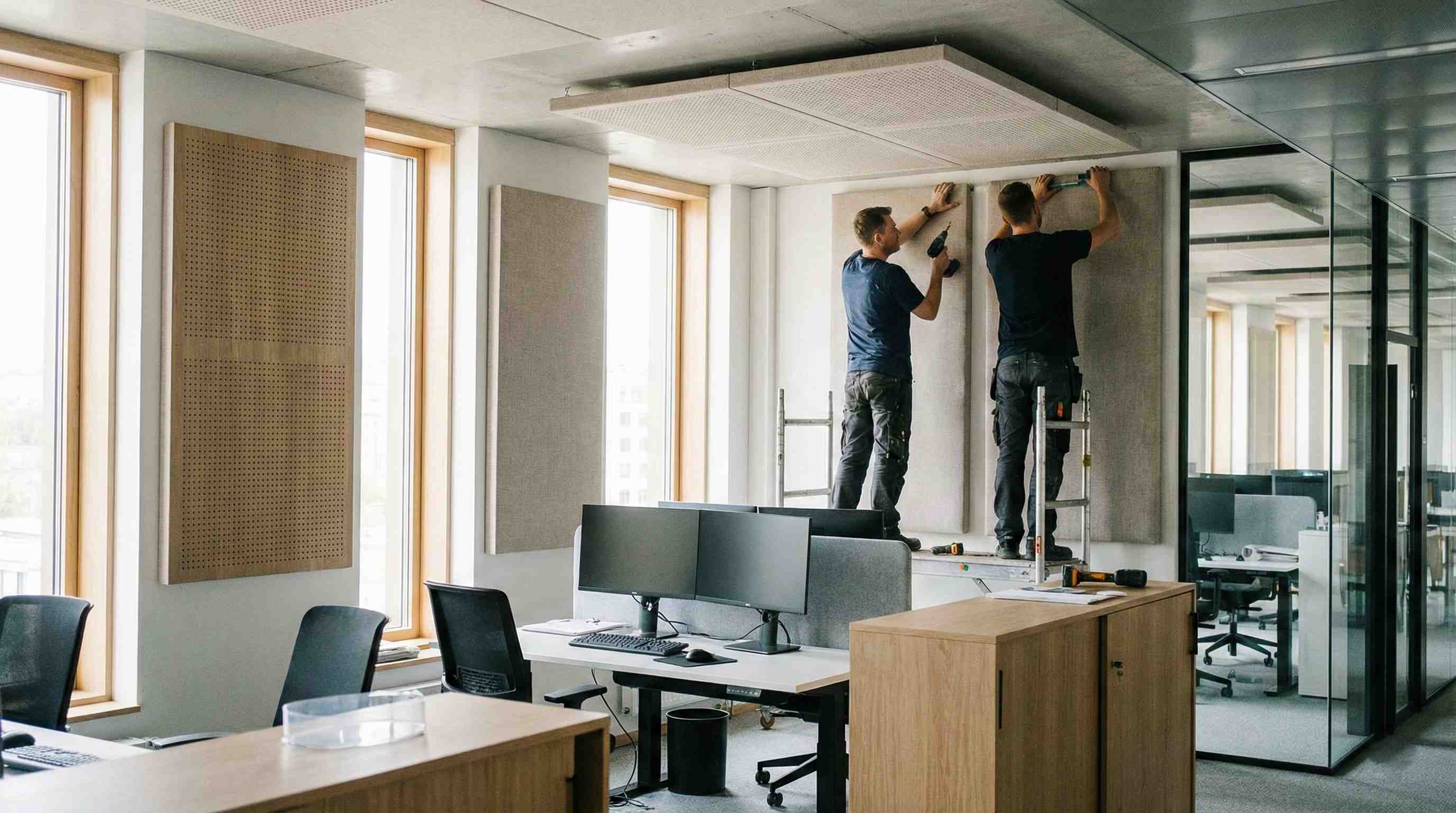
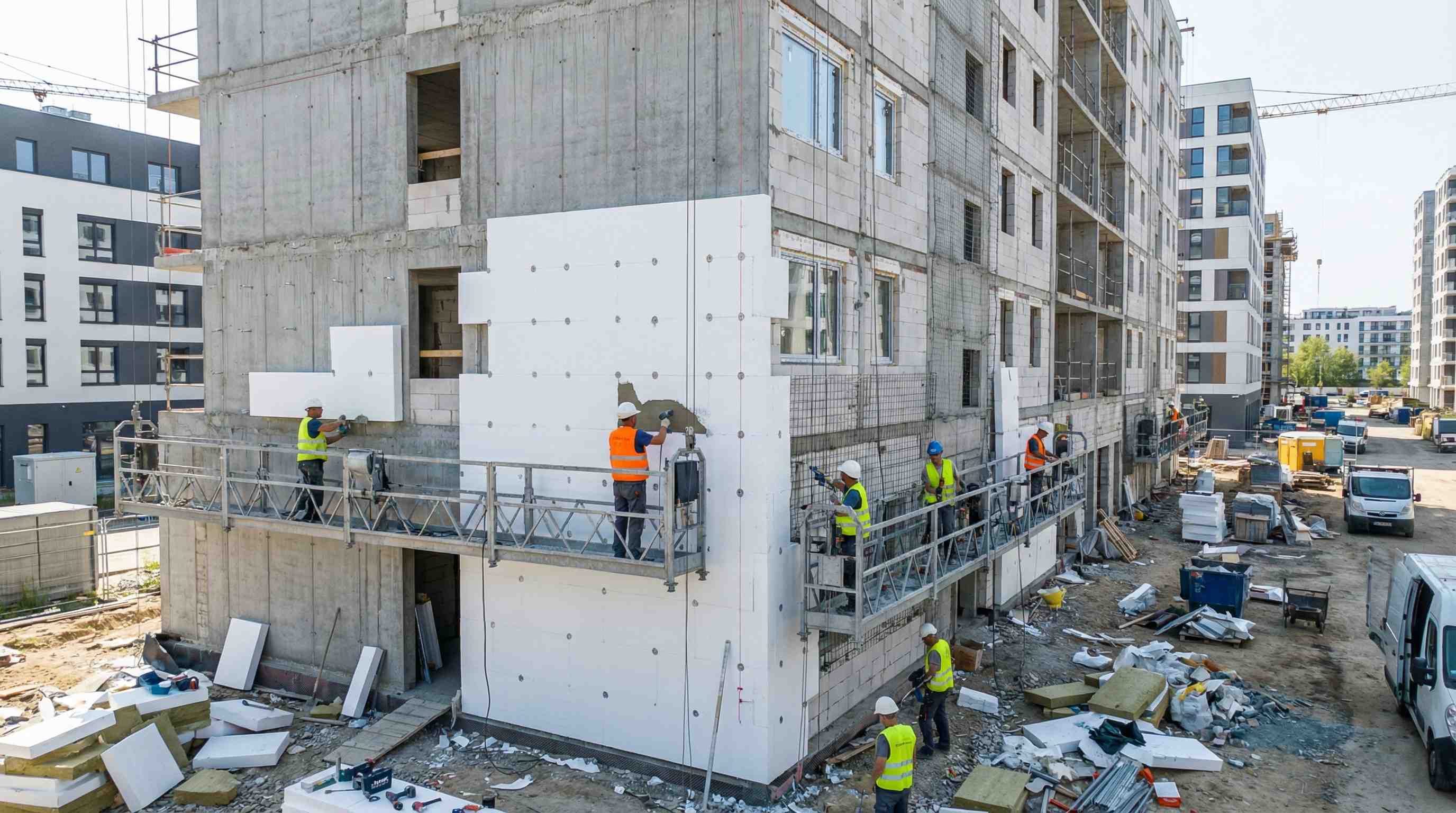
In rehabilitation, acoustic control is an additional challenge. Many old buildings do not meet the minimum insulation requirements required by current legislation. In these cases, we apply acoustic reinforcement solutions for the interior, using composite panels, high density acoustic membranes and decoupling systemswhich reduce sound transmission without compromising the integrity or aesthetics of the original construction.
Acoustic comfort is also a matter of public health and productivity. Studies show that prolonged exposure to noise has negative effects on sleep quality, concentration and even the cardiovascular system. In a professional context, acoustically poorly prepared environments impair communication and increase mental fatigue.
Slick Brick advocates an integrated approach, where acoustic comfort is planned from the beginning and adjusted to the functional profile of each project. Instead of reactive solutions, we apply a logic preventive and technical, sizing materials, thicknesses, layers and arrangements to ensure measurable and durable results.
In addition, we always consider the compatibility between thermal and acoustic comfort. Many of the materials we use — such as rock wool or cork — offer excellent performance on both fronts, optimizing investment and ensuring balanced and sustainable solutions.
For customers, acoustic comfort translates into a quieter, more functional and valued living experience. For designers and technicians, it is a technical requirement that must be treated with seriousness and knowledge. For Slick Brick, it's a an essential element of constructive quality - and not a mere extra.
1. What is acoustic comfort in a home?
It is the ability of a space to block outside noises and reduce internal reverberations, providing a calm and balanced environment.
2. What are the best materials for sound insulation?
Rock wool, expanded cork, acoustic panels, rubber membranes, technical foams and double glass with thermal break.
3. Can I improve the sound insulation in an already built house?
Yes. There are acoustic reinforcement solutions for the interior that do not require deep demolitions, adapted to rehabilitation.
4. Sound insulation also improves thermal insulation?
Many materials offer both performances. It is possible to combine thermal and acoustic comfort in a single solution.
5. What is the importance of acoustics in commercial spaces?
Essential for customer comfort, team productivity and legal compliance. Noisy environments negatively affect the experience and performance.
6. Does Portuguese legislation require acoustic comfort?
Yes. The Regulation on Acoustic Requirements for Buildings establishes minimum levels of insulation between fractions and for the outside.